Living Well
Could You Buy Nothing New for a Month?
What happens when you stop shopping for new things — and start looking at what you already have?
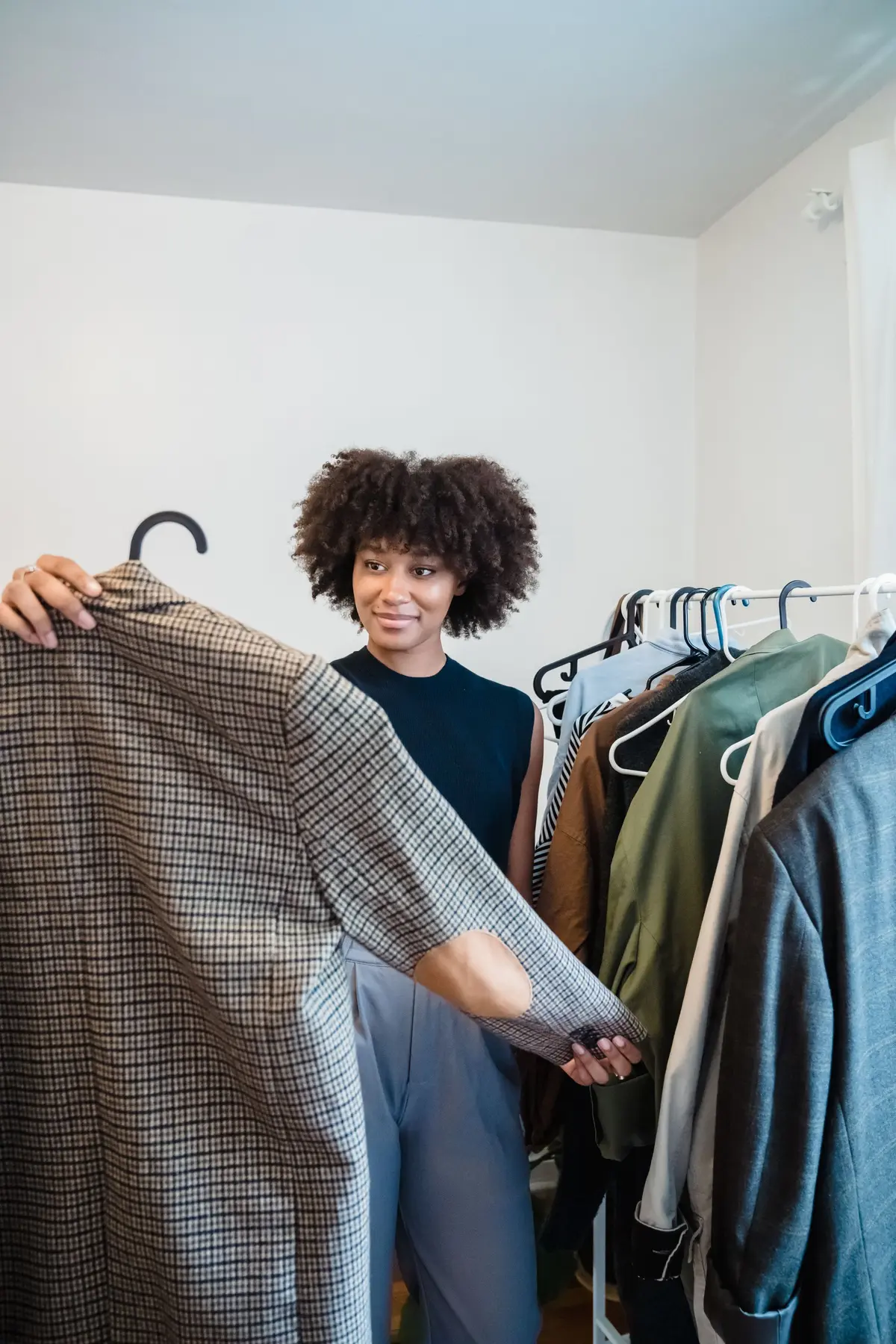
We live in a world where buying something new can feel like the easiest answer. A new top for the weekend, another pair of trainers, something to brighten up the kitchen, or a little treat because, well, why not?
But what if, for one month, you simply pressed pause?
A buy-nothing-new month isn't about giving up everything you enjoy or becoming a minimalist overnight. It's about taking a break from buying new things and seeing what happens when you make do with what you already have.
You might save money. You might discover things you'd forgotten you owned. And you might even realise that you don't need quite as much as you thought.
Why try it?
Everything we buy has a footprint. Materials need to be grown or extracted, products need to be made and transported, packaging needs to be produced, and eventually things need to be disposed of.
Buying less new stuff is one simple way of reducing the demand for all of those resources.
But there are benefits beyond sustainability. A month without unnecessary shopping could mean more money left in your bank account, less clutter around your home and a little more time spent doing things rather than shopping for things.
And perhaps most importantly, it gives you the chance to think about why you're buying something in the first place.
Do you actually need it? Have you wanted it for a while? Or did you simply see it and fancy it?
Sometimes a pause is all it takes to tell the difference.
Make the rules work for you
There doesn't need to be one official set of rules. The point isn't to make your life difficult — it's to become more conscious of what you're buying.
You could decide that for 30 days you won't buy any new:
- Clothes
- Shoes
- Bags or accessories
- Beauty products
- Home décor
- Books or magazines
- Gadgets or unnecessary upgrades
But genuine essentials can still be allowed.
Perhaps replacing an empty bottle of shampoo is fine, while buying another one because you like the packaging isn't. Maybe you need a new pair of school shoes for your child, or something has genuinely broken and needs replacing.
This isn't about being perfect. It's about being intentional.
You could even allow yourself to buy second-hand. After all, the aim isn't necessarily to stop buying altogether. It's to question the idea that new is always better.
Start by shopping your own home
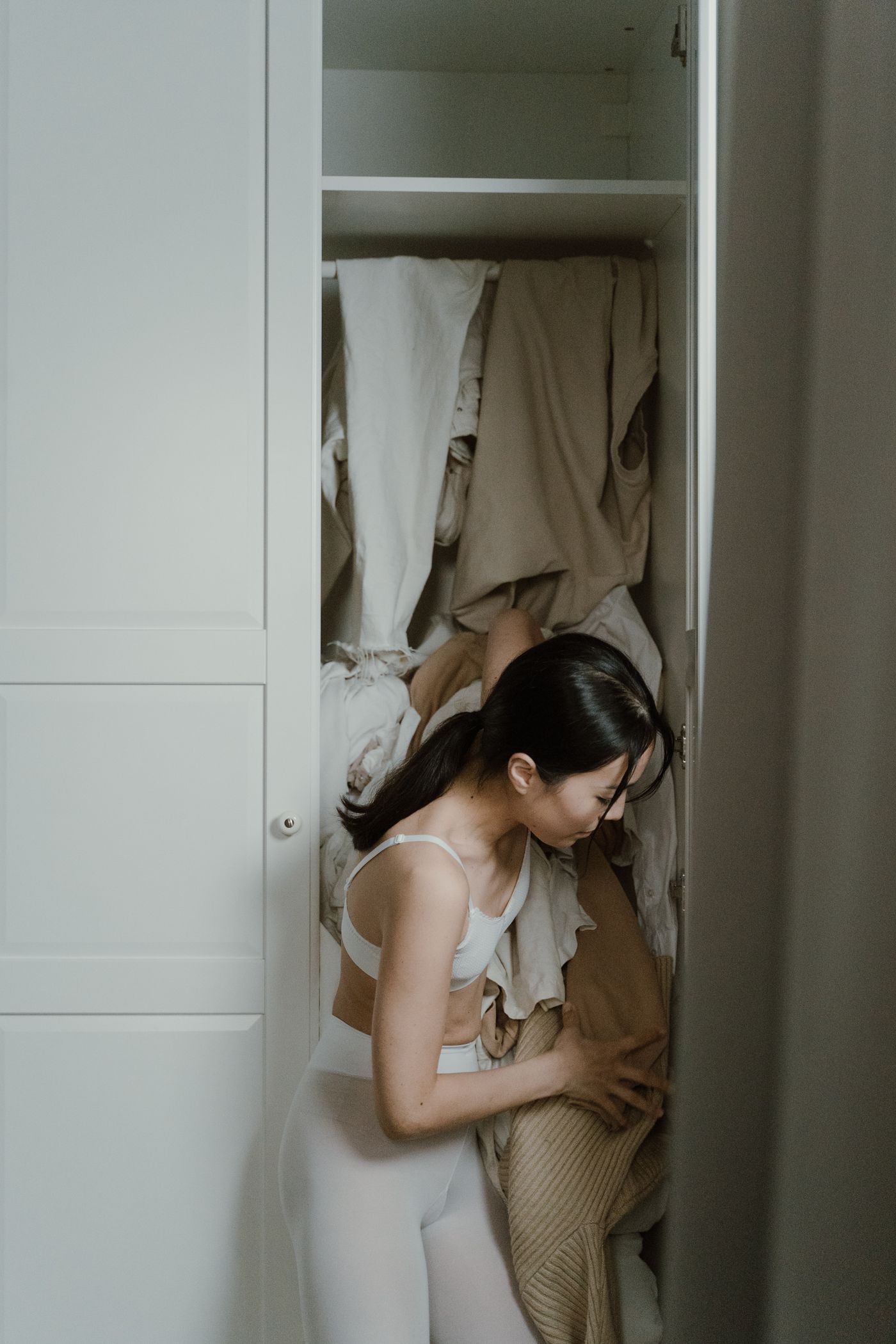
One of the most surprising things about buying less can be discovering how much you already own.
Before buying something, have a look around.
That jumper you thought you'd lost might be hiding at the back of the wardrobe. The book you've been meaning to read could already be sitting on your bedside table. There may be a forgotten candle in a cupboard, an unused beauty product in a drawer or a kitchen gadget you've barely used.
Try giving those things another chance.
You could challenge yourself to create a few new outfits from clothes you've hardly worn, cook something using ingredients already in your cupboards, or finally finish the book that's been waiting patiently for you.
It can become less about what you can't buy and more about what you can rediscover.
What if you really need something?
This is where a little creativity comes in.
Before buying something new, ask yourself:
Can I borrow it?
Perhaps a friend or family member already has one.
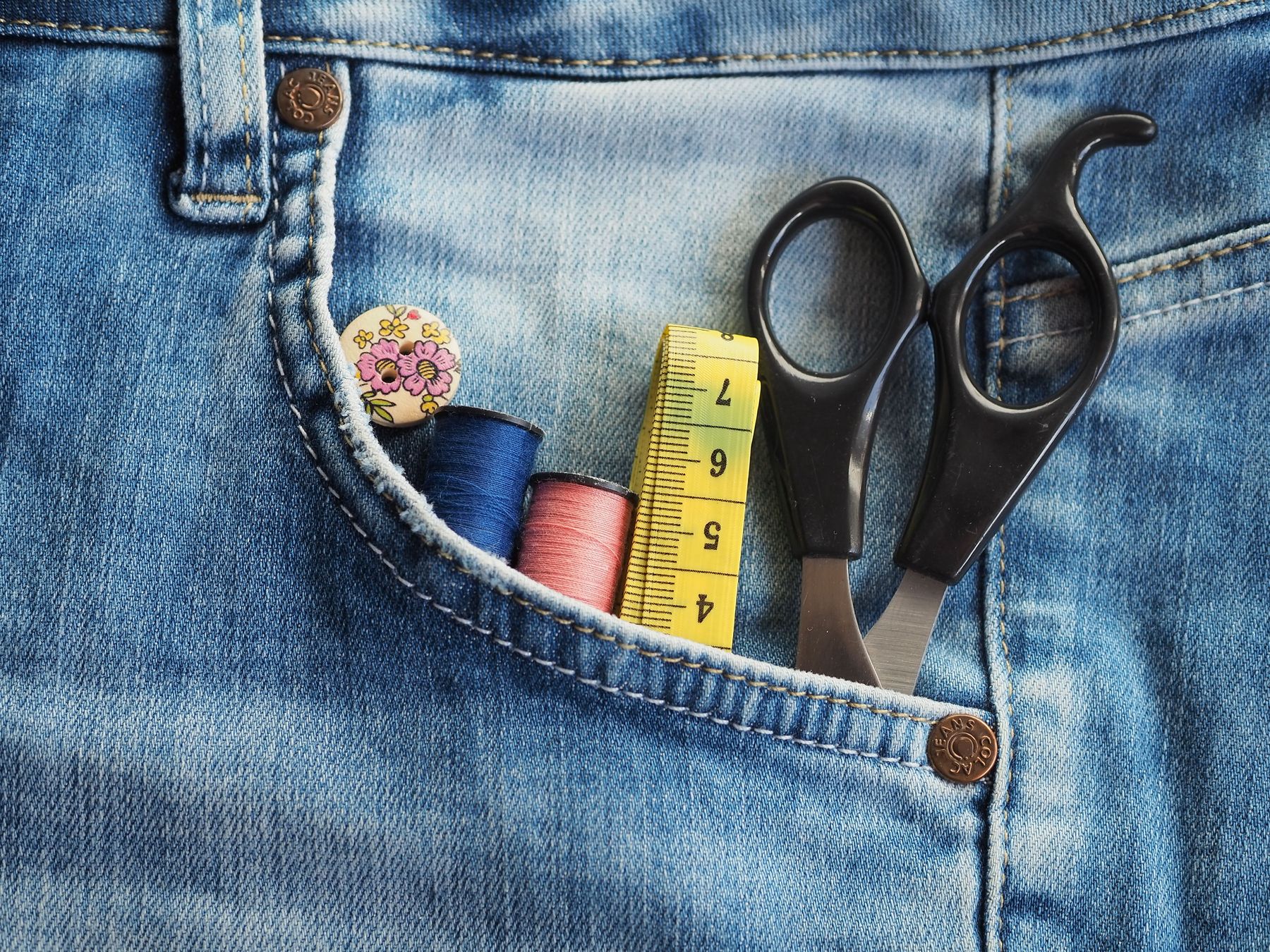
Can I repair it?
A loose button, broken zip or tired piece of furniture might have plenty of life left in it.
Can I find it second-hand?
Charity shops, vintage stores and online resale platforms can be great places to look.
Can I use something I already own instead?
Sometimes we don't need a replacement — we just need a different solution.
And if you genuinely do need to buy something new, that's okay too.
Sustainability isn't about getting every decision right.
The hardest part might be the habit
You may discover that the hardest thing about buying nothing new isn't actually going without. It's breaking the habit.
We are constantly encouraged to shop. New collections arrive every season. Social media makes it easy to discover something we didn't know we wanted five minutes ago. And online shopping means buying something can take less time than making a cup of tea.
So when you feel the urge to buy something, try putting a little distance between wanting and buying.
Save it to a wishlist. Walk away. Give it a week.
If you still want it after seven days, ask yourself why.
You may decide it's something you'll genuinely use and enjoy. Or you may find that the urge simply disappears.
Either way, you've made a more considered choice.
What could you discover in 30 days?
At the end of the month, don't just count how much you haven't bought.
Think about what you have gained.
Maybe you've saved more money than expected. Maybe you've cleared some space at home. Maybe you've worn clothes you've forgotten about or discovered a new appreciation for things you already own.
Perhaps you've realised that you don't need to shop every time you're bored, stressed or looking for a little lift.
And you may also discover something equally useful: which things really are worth buying.
Because buying nothing new for a month doesn't have to lead to a life where you never buy anything again. It can simply help you become more selective about the things you choose to bring into your life.
After the month
When your 30 days are over, you could go straight back to shopping as before.
Or you could take some of the experiment with you.
Maybe you'll introduce a 48-hour waiting rule before buying clothes. Perhaps you'll buy more second-hand. Maybe you'll decide to invest in fewer, better-quality pieces. Or you might simply ask yourself one question before every non-essential purchase:
Do I really want this, or do I just want something new?
There is no perfect way to do it.
And that's rather the point.
At Love Sustainable Brands, we don't think living more sustainably has to mean giving up everything you love. It's about understanding the choices we make, finding better options where we can and working out what feels right for us.
So, could you buy nothing new for a month?
Maybe give it a try. You might be surprised by what you don't miss — and what you rediscover instead.