Living Well:Nov 2026
A Greener Gift Guide: Thoughtful Ideas for Christmas
Thoughtful ways to give, celebrate and make Christmas a little more considered.

Christmas is a time for generosity, connection and creating memories. But it can also bring last-minute shopping, unwanted presents and piles of wrapping paper that barely last beyond the big day.
What if we approached Christmas gifting a little differently this year?
A greener Christmas doesn't have to mean giving less, spending more or taking the joy out of giving. It can simply mean putting a little more thought into what we give, how we choose it and what happens after the celebrations are over.
From finding something pre-loved to giving the gift of an experience, there are plenty of ways to make Christmas gifting feel more meaningful. Here are five ideas to inspire a more considered festive season.

1. Start with the person, not the present
It's easy to get caught up in the idea that we need to buy something for everyone, sometimes choosing gifts because we feel we should rather than because we know they'll be appreciated.
Thoughtful gifting starts with the person receiving the present. What do they genuinely enjoy? Is there something they've mentioned needing, a hobby they'd love to spend more time on or a small everyday pleasure that would make their life easier?
Choosing something useful or meaningful can be far more rewarding than buying something simply to have a present to give.
It can also help to talk about gifts before Christmas. Perhaps your family would prefer to exchange fewer presents, set a budget or focus on children rather than buying for every adult. Agreeing on a different approach can take the pressure off and make the occasion more enjoyable.
The aim isn't to find the perfect gift. It's to give something with thought and care behind it.
2. Think beyond buying new
A new gift isn't necessarily a better gift. Second-hand, vintage and pre-loved finds can be just as special, particularly when chosen with the recipient in mind.
A vintage book, a beautiful piece of pottery, a pre-loved accessory or a board game that brings back happy memories can all make thoughtful presents. Buying second-hand also gives existing items another life, helping to keep usable things in circulation rather than creating demand for something new.
Handmade gifts offer another alternative. Homemade biscuits, preserves, artwork or something crafted from materials you already have can be personal and memorable. They don't need to be elaborate or expensive; often, the time spent making them is part of what makes them meaningful.
If buying new is the right choice, consider whether the gift is well made, likely to last and something the recipient will genuinely use. A little research can help you look beyond its initial appeal and think about its longer-term value.
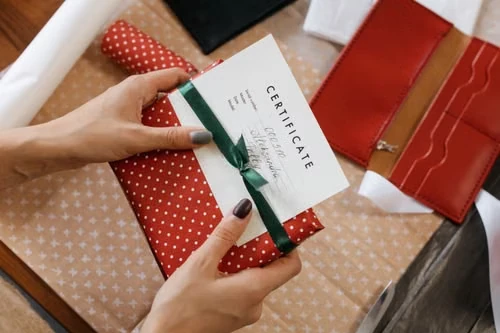
3. Give an experience, a memory or your time
Some of the most memorable gifts aren't things at all.
An experience can offer something to look forward to and a memory to enjoy long after Christmas has passed. It might be tickets to a show, a day exploring somewhere new, a creative workshop, a meal together or a planned walk followed by a favourite treat.
Experiences can suit different budgets, too. A homemade voucher for a cooked dinner, an afternoon of gardening together, a film night or a day spent doing something a friend loves can be every bit as thoughtful as a purchased present.
Time is another gift we can easily overlook. Offering to help someone with a task, teach them a skill or simply spend uninterrupted time together can mean a great deal.
For those who would prefer fewer physical possessions, these gifts shift the focus away from accumulating more things and towards enjoying experiences and relationships.
You could also consider making a charitable donation in someone's name, choosing a cause they care about. The most thoughtful gestures are those that reflect the recipient and what matters to them.
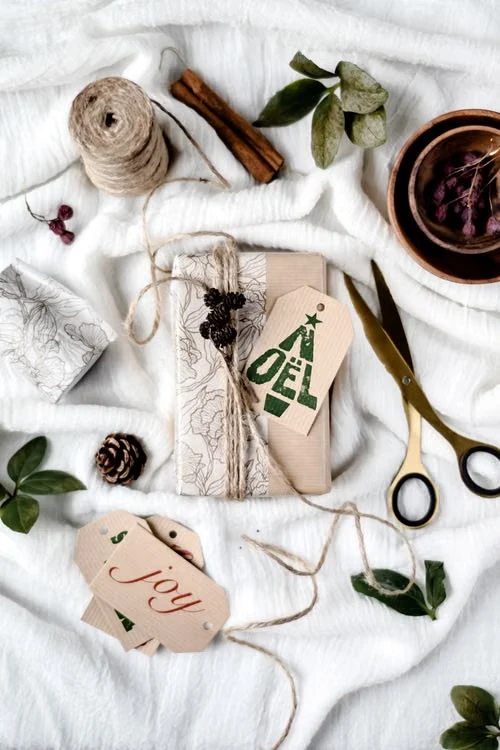
4. Wrap it differently
Gift wrapping is part of the excitement of Christmas, but much of it is used for only a few moments before being discarded. Ribbons, bows, sticky tape and decorative finishes can also make some wrapping materials difficult to recycle.
A few small changes can help reduce waste without losing the pleasure of presenting a beautifully wrapped gift.
Start by using what you already have. Gift bags, boxes, ribbons and bows can often be reused year after year, while saved wrapping paper can be useful for smaller presents. If you need to buy wrapping materials, recycled paper or reusable fabric wraps are alternatives worth considering.
Brown paper can look simple and elegant when finished with string, a handwritten tag or a sprig of greenery. You could even make reusable wrapping part of your family's Christmas tradition, keeping fabric wraps and gift bags to bring out each year.
Remember that not all wrapping paper is recyclable. Foil, glitter and plastic coatings can cause problems, so check your local council's recycling guidance and remove ribbons, bows and tape where necessary.
The idea isn't to create another set of things to buy. It's to make the most of what you already have and avoid unnecessary waste where you can.
5. Remember what matters most
It's easy to focus on presents when thinking about Christmas, but gifting is only one part of the festive season.
For many people, Christmas is about spending time with family and friends, sharing food, maintaining traditions and finding moments of rest in an otherwise busy year. Those experiences don't need to come with a shopping list.
You might simplify your celebrations, cook with ingredients you already have, decorate with items you've collected over the years or spend more time enjoying activities together. Planning portions carefully and finding creative ways to use leftovers can also help reduce food waste.
There are opportunities to think about others, too. Supporting a local community initiative, volunteering if you have the time or checking in on someone who might be feeling lonely can bring another dimension to the season.
None of this requires a perfect approach. Christmas can be complicated, and everyone's circumstances, traditions and budgets are different. Small changes that work for you are more valuable than trying to follow every possible sustainability tip.
A more thoughtful kind of Christmas
A greener Christmas isn't about getting everything right. It's about pausing to consider whether our choices reflect what matters to us.
Perhaps that means buying fewer presents but choosing them more carefully. Perhaps it means finding something pre-loved, giving an experience instead of an object or reusing the wrapping paper tucked away in a cupboard.
Whatever changes you make, the aim is to bring a little more thought into the way we give, while creating less unnecessary waste along the way.
Because the best gifts aren't always the biggest, newest or most expensive. Often, they're the ones that show we've really thought about the person receiving them.
And perhaps that's a good place to start this Christmas.