People doing good
Meet the People Protecting Our Rivers & Seas
Citizen scientists, community groups and campaigners are finding different ways to tackle pollution and protect the water we all depend on.
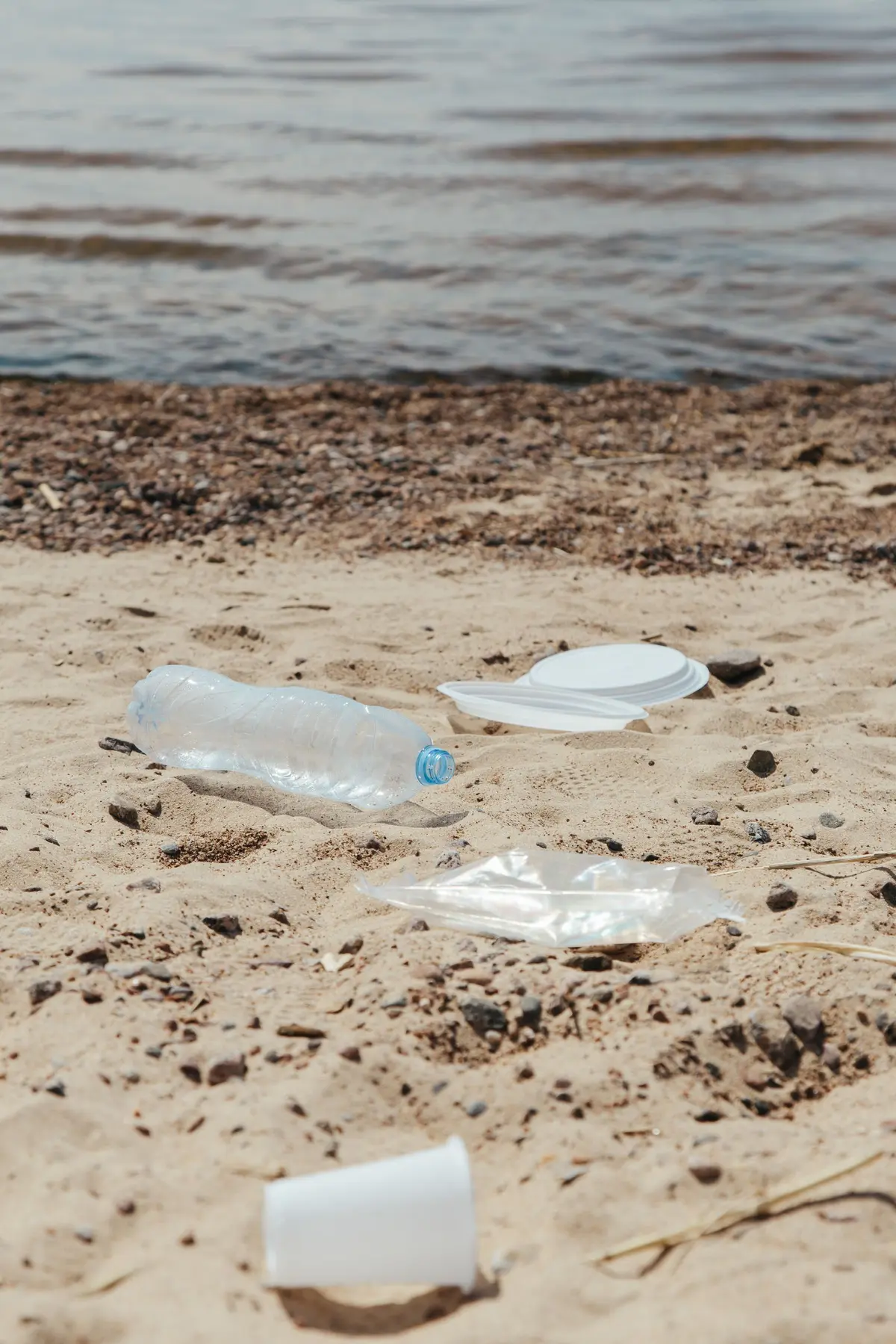
We probably don't think about rivers and seas very often as we go about our everyday lives. We turn on a tap, walk along a beach, take a swim or watch a river flow by. Yet our waterways are under pressure from plastic, sewage, agricultural pollution and other forms of waste.
The good news is that people are doing something about it.
And they aren't all scientists, politicians or environmental professionals. They are volunteers, community groups, campaigners and people who simply care about the river, beach or coastline on their doorstep.
Some are collecting evidence. Some are cleaning up pollution. Others are campaigning for change.
Together, they show that protecting our waterways isn't just about one big solution. It's about understanding the problem, taking action and finding better ways to prevent pollution in the first place.
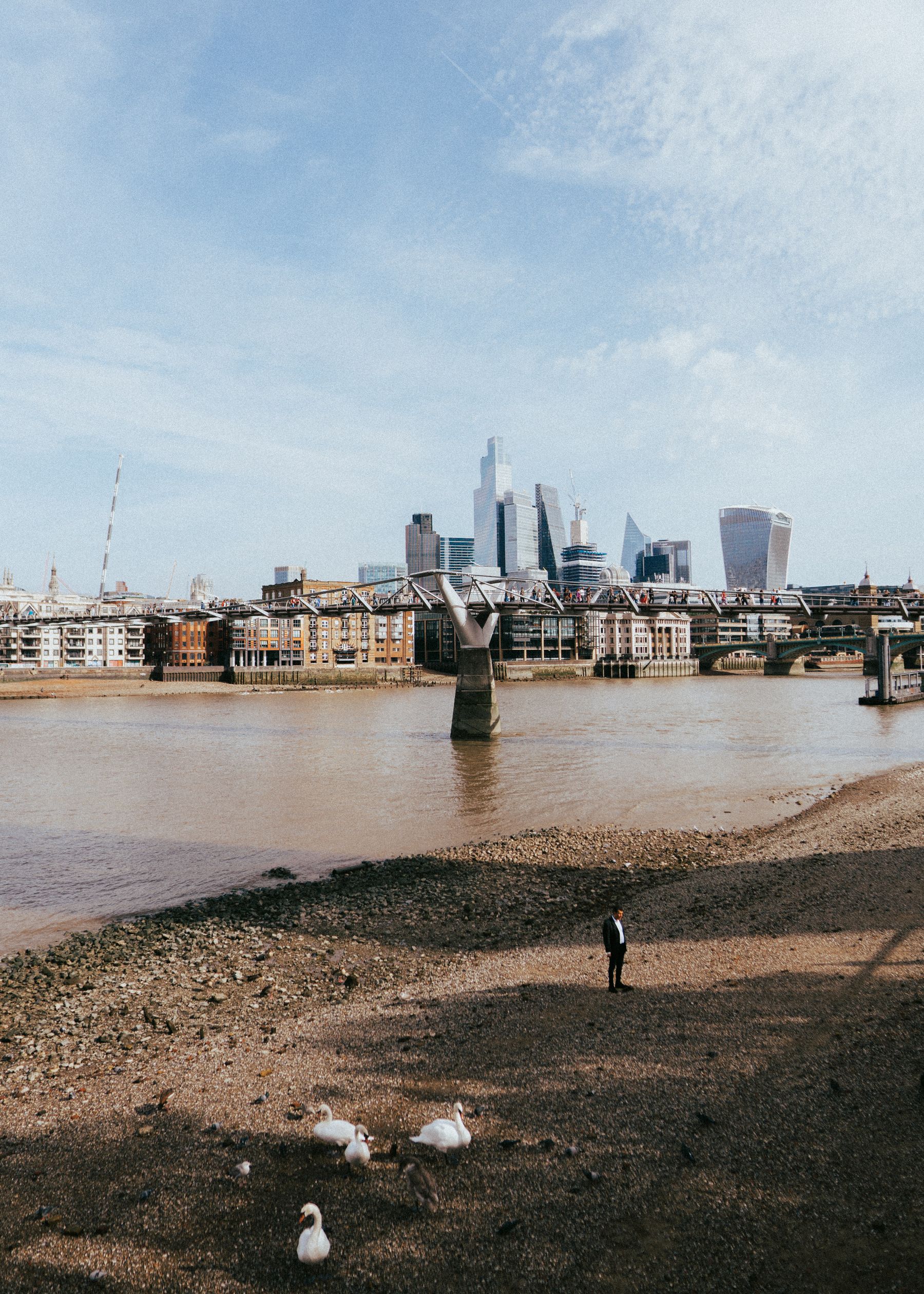
Investigate it: Thames21
What if you could become a scientist for your local river?
That's part of the idea behind Thames21, a charity working with communities to improve rivers and waterways.
One of its projects, Thames River Watch, involves volunteers monitoring plastic pollution along the tidal Thames. Participants collect and record information about the plastic they find, helping build a better picture of the scale and nature of pollution in the river.
This is an example of citizen science.
So, what exactly is a citizen scientist?
Citizen science is research carried out with the participation of members of the public. People can collect observations, take measurements or record information which can then be analysed and used as evidence.
You don't need to work in a laboratory or have a science degree.
For rivers, citizen scientists might test water quality, record wildlife, monitor litter or track changes over time. One person's observations might tell us a little. But when lots of people collect information consistently across different places, it can help create a much bigger picture.
That's what makes citizen science so interesting. People living alongside a river can become part of the process of understanding what is happening to it.
They're not replacing professional scientists. They're helping them gather information on a scale that would otherwise be difficult to achieve.
And perhaps just as importantly, they become more connected to the place they're helping to study.
Make it local: River Mole River Watch
You don't have to live beside one of Britain's most famous rivers to get involved.
River Mole River Watch is a community-led group focused on the River Mole and its catchment in Surrey and Sussex. Its water-testing programme involves more than 50 citizen scientists collecting samples every month from 32 sites.
The samples are tested for a range of measures, including phosphate, nitrate, ammonia, conductivity and water temperature. The results are published, helping to create an ongoing picture of the river's condition.
It's a simple but powerful idea: know your river.
Rather than waiting for somebody else to tell a community what is happening, local people are gathering information for themselves.
The group also works with residents, landowners, farmers, businesses, water companies and other organisations connected to the river.
And this is where local knowledge becomes important. A river isn't just a line on a map. It runs through communities, past homes, farms, businesses and countryside.
When people understand their own stretch of river, they can start asking better questions about what is happening to it — and what might need to change.
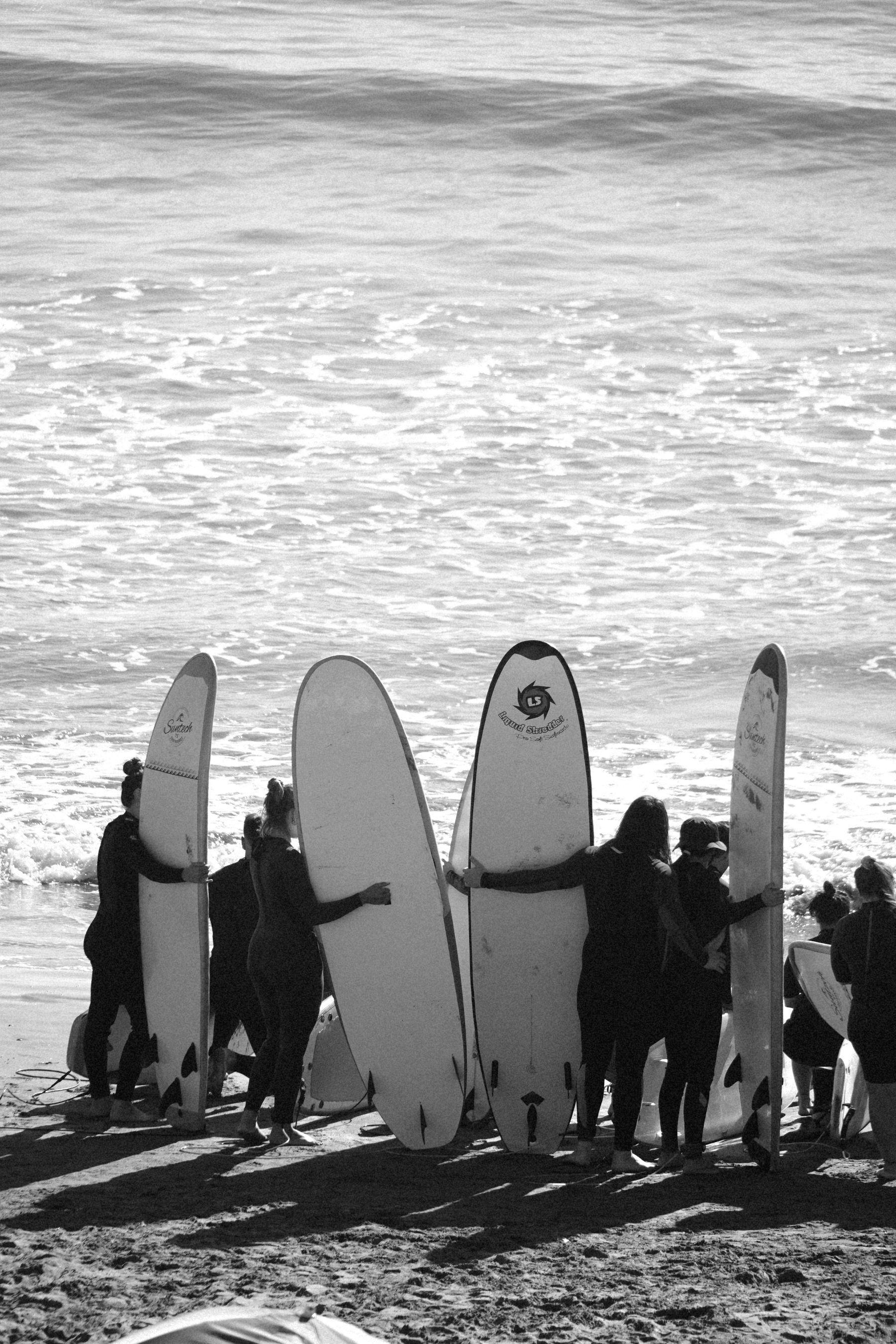
Clean it up — and collect the evidence: Surfers Against Sewage
Some people start with a much more immediate question:
What can we remove from our beaches and waterways right now?
Surfers Against Sewage has been bringing communities together to tackle marine pollution for decades. Its Million Mile Clean encourages people across the UK to remove litter from beaches, rivers, parks, streets and other outdoor spaces.
But there's more to these clean-ups than filling a rubbish bag.
Volunteers are encouraged to record what they find, turning a simple litter pick into a source of useful information.
Its Brand Audit uses data collected during clean-ups to identify the types of branded plastic appearing in the environment. In its 2025 report, thousands of volunteers contributed information about plastic pollution found across the UK.
The idea is clever: clean it up, but learn from it too.
A single piece of packaging might not tell us very much. But when thousands of pieces are recorded by thousands of volunteers, patterns begin to emerge.
That evidence can then be used to ask bigger questions about packaging, responsibility and what needs to change.
It's a good example of how an action that feels very small — picking up a piece of litter — can become part of something much bigger.
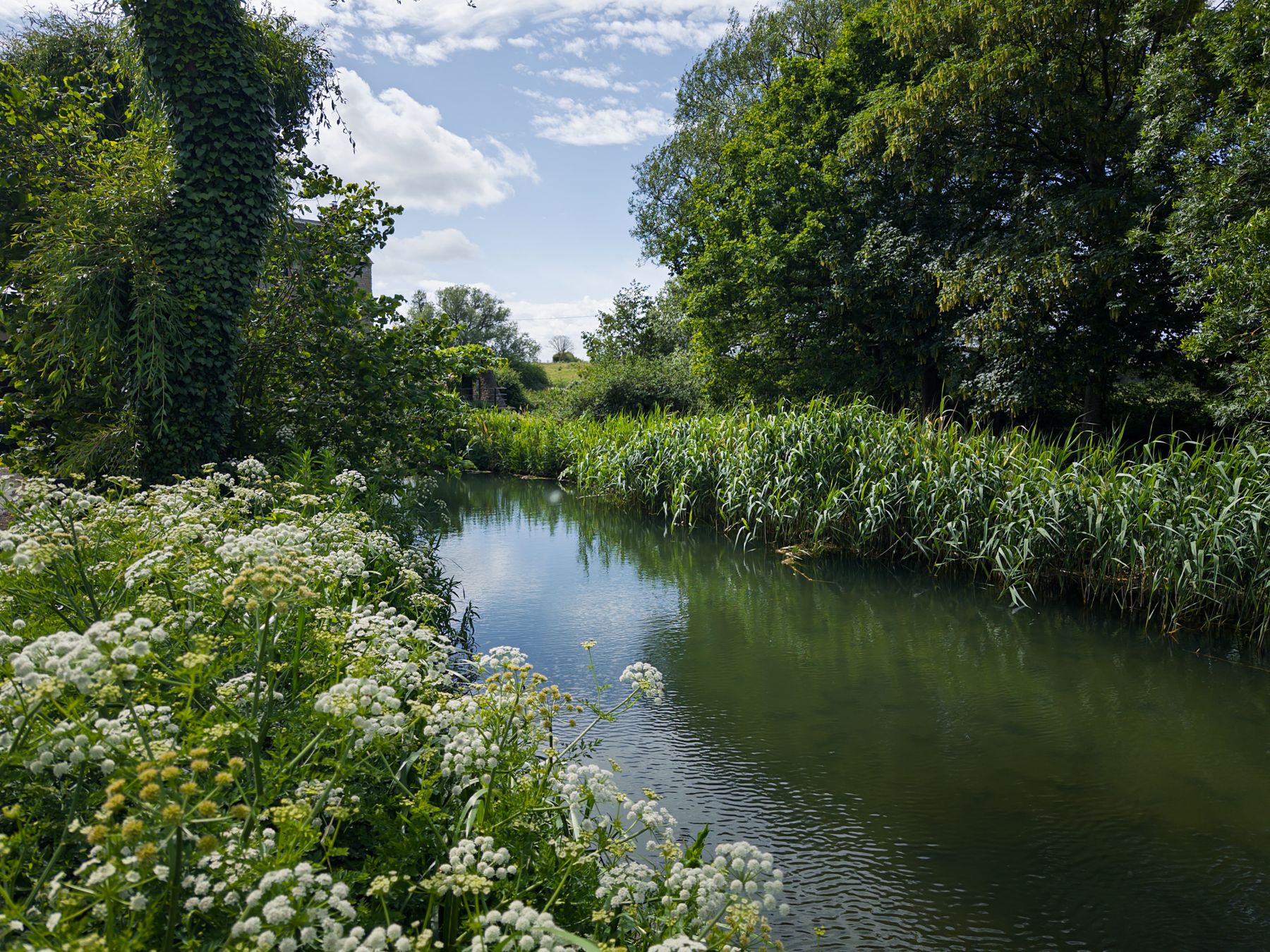
Challenge the system: River Action UK
Cleaning up pollution is important. But what happens if the pollution simply keeps coming back?
That's where River Action UK takes a different approach.
The organisation works with communities to campaign against pollution affecting Britain's rivers, including sewage, agricultural pollution and chemicals. It also campaigns for changes in policy and regulation and has supported legal action.
Its work around the River Thames illustrates the difference between cleaning up pollution and trying to stop it at source.
If a river is repeatedly polluted, we can't simply rely on volunteers to keep cleaning it up. We need to ask why the pollution is happening and who has the power to prevent it.
That means looking beyond the rubbish floating on the surface and considering the systems behind it.
Where is the pollution coming from?
Who is responsible?
Are the rules strong enough?
And are they being properly enforced?
These aren't always easy questions, but organisations such as River Action UK show that environmental action can involve campaigning, evidence and persistence as well as practical work on the ground.
Why all these approaches matter
It's tempting to think that tackling pollution means simply removing what's already there.
But the four examples above show that the picture is much bigger.
Thames21 is helping people investigate pollution.
River Mole River Watch is showing what can happen when a local community monitors its own river.
Surfers Against Sewage combines clean-up action with data and campaigning.
And River Action UK is working to challenge the causes of pollution and push for systemic change.
None of these approaches works in isolation.
We need people to understand what's happening to our waterways. We need evidence that shows where problems exist. We need communities willing to get involved. And we need businesses, water companies and governments to take responsibility for preventing pollution.
The clean-up matters.
But so does asking why the rubbish got there in the first place.
What can we do?
You don't have to start an environmental organisation or become a citizen scientist to make a difference.
You could join a local river or beach clean. You could find out more about the waterway closest to you. You could reduce your use of single-use plastic and think about where the things you throw away might eventually end up.
You could support an organisation whose work matters to you.
Or you could simply start paying more attention.
Because perhaps that's where change begins: noticing what's happening around us, asking questions and deciding that something is worth protecting.
Our rivers and seas connect us all.
And the people working to protect them remind us that making a difference doesn't always start with a huge idea.
Sometimes it starts with something much simpler: